
Discover the trusted legacy and learning experiences for the perfect start of your child's journey.
Our Curriculum A thoughtfully designed blend of play, creativity, and foundational learning
Preschool: Exploring, Learning, Growing
Holistic Development
We focus on social, emotional, cognitive, and physical growth through balanced activities that build confidence and independence.
Play-Based Learning
Children learn through hands-on experiences, storytelling, imaginative play, music, and movement—making learning joyful and meaningful.
Early Language & Literacy
Phonics, vocabulary building, rhymes, picture reading, and early writing activities help children develop strong communication skills.
Foundational Numeracy
Counting, patterns, shapes, sorting, and simple problem-solving introduce math concepts in an easy and enjoyable way.
Creative Expression
Art, craft, music, dance, and free-play activities encourage imagination while strengthening fine motor skills.
Environmental & Sensory Exploration
Nature walks, sensory bins, and discovery-based activities help children refine their senses and understand the world around them.
Physical Development
Outdoor play, movement games, yoga, and simple exercises promote coordination, balance, and gross-motor skills.
Theme-Based Learning
Weekly and monthly themes—community helpers, animals, seasons, colours, transport—make learning connected and engaging.
Montessori: Guided Independence
Individualised Learning
Each child is guided according to their interests and readiness, helping them develop self-confidence and focus.
Practical Life Skills
Activities like pouring, sorting, buttoning, sweeping, and food preparation build independence, concentration, and responsibility.
Sensorial Development
Montessori materials such as the Pink Tower, Colour Tablets, and Sound Boxes help children classify, compare, and refine their senses.
Language Programme
Sandpaper letters, phonics, the Moveable Alphabet, and early reading activities build strong literacy foundations.
Hands-On Mathematics
Bead materials, number rods, counters, and the golden bead system make math concrete, visual, and easy to understand.
Cultural Studies
Children explore geography, science, botany, zoology, and cultural festivals—broadening their understanding of the world.
Social Skills & Courtesy
We emphasise respect, sharing, taking turns, polite communication, and peaceful conflict resolution through daily routines.
Freedom with Discipline
Children choose meaningful activities while learning responsibility, concentration, and self-management within gentle boundaries.
Our Exceptional Teachers Passionate caregivers selected for genuine love of children, not commercial hires—nurturing bonds, values, and joyful growth.
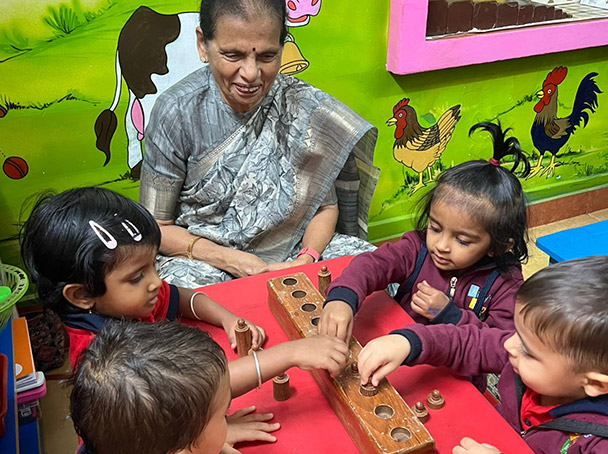
A preschool teacher plays one of the most important roles in a child’s early years. They are caring, patient, and enthusiastic individuals who nurture young minds through play, exploration, and meaningful learning experiences. A preschool teacher creates a warm and welcoming environment where children feel safe, loved, and confident to express themselves. They guide children in developing early language, numeracy, social skills, creativity, and independence.
Preschool teachers plan engaging activities, stories, songs, and hands-on experiences that help children learn joyfully. They observe each child’s unique needs and support them with gentle encouragement. Beyond academics, they teach values like sharing, kindness, confidence, manners, and respect. A good preschool teacher builds strong bonds with families and communicates openly to support the child’s overall growth.
In short, a preschool teacher is not just an educator—they are a mentor, caregiver, and the first guide in shaping a child’s foundation for lifelong learning.
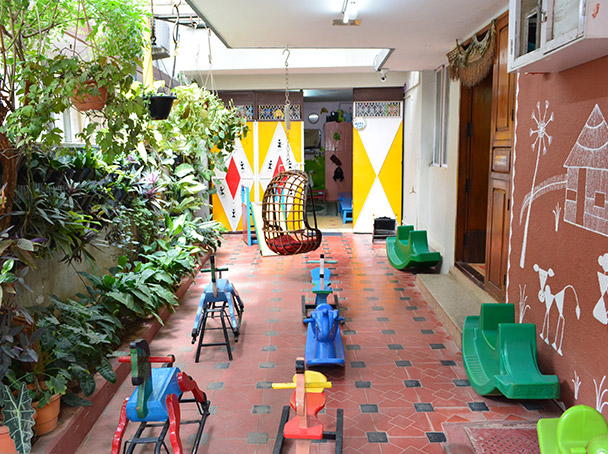
Safe, bright, and nurturing facilities Designed for joyful, secure learning and play every day.
- Safe, secure, and child-friendly campus with CCTV monitoring
- Strong safety measures, supervised play, and child-proofed classrooms
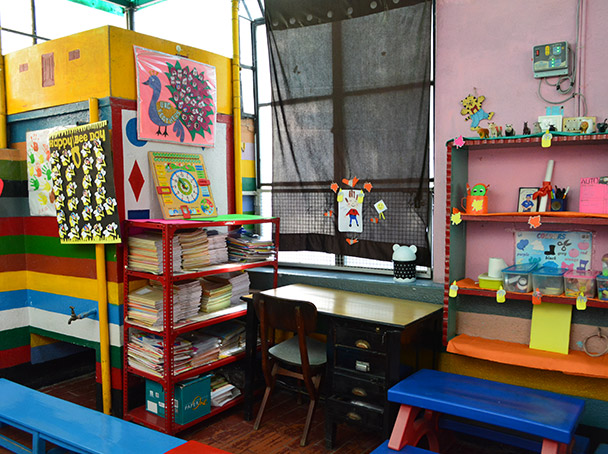
- Bright, spacious, and colourful classrooms
- Fully equipped Montessori learning room
- Indoor and outdoor play areas with age-appropriate equipment
- Fun yoga and movement sessions for flexibility, balance, and relaxation
- Creative activity zone for art, music, dance, and sensory play
- Cosy reading and literacy corner
- Child-friendly washrooms designed for toddlers, for easy access and smooth toilet training
- Clean and hygienic sanitation practices maintained daily
- Regular events, theme days, and celebrations
- Clear parent communication with updates and photos
Little Champ Olympiad National competition for Nursery-KG building skills through fun challenges.
Purpose of the Olympiad
- To encourage thinking skills
- To build confidence
- To make learning fun and joyful
Activities Include
- Picture recognition
- Colours & shapes
- Numbers & patterns
- Simple puzzles and logical thinking
Rewards
- Participation certificates for all children
- Medals and prizes for achievers